
___
3 Possible Signs of Mold
If your home smells a little “off” but you can’t pinpoint why, you may not be imagining things.
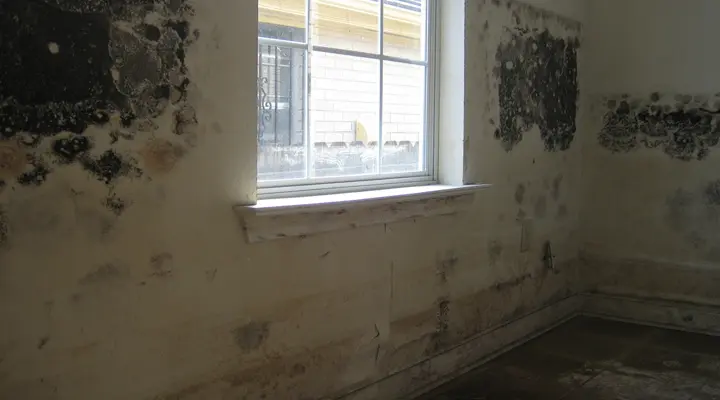
Many renters and homeowners in Granada Hills and Los Angeles suspect mold issues long before they see visible growth.
Mold often hides behind walls and cabinets, under flooring, or inside HVAC systems — quietly affecting
Below we outline
1. Persistent Musty or Earthy Odors
A musty, damp, earthy or “basement-like” smell that doesn’t go away is one of the earliest warning signs of mold.
Why mold smells the way it does
As mold actively grows, it releases gases into the air called
Because MVOCs are released as gases, they can penetrate building materials and their presence often indicates hidden mold growth, even when it may not be visible.
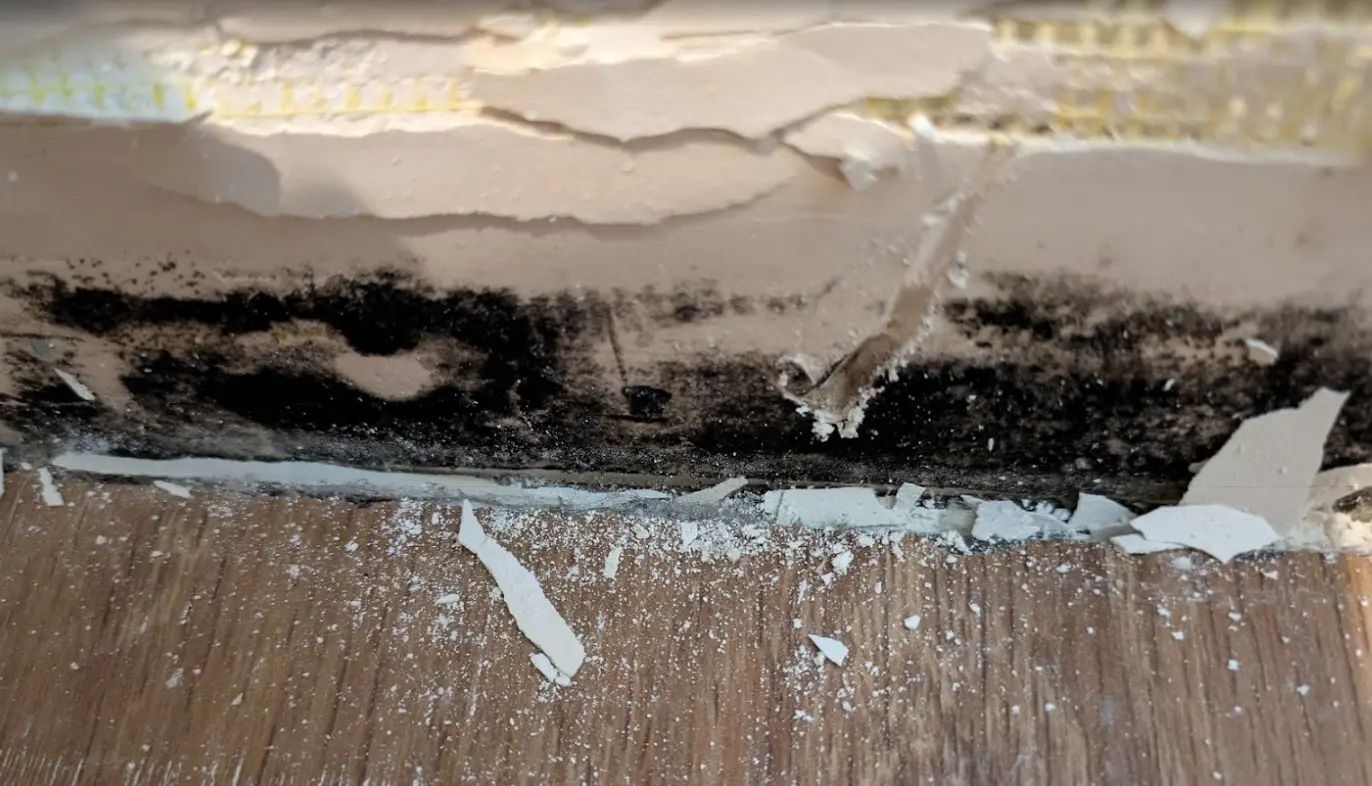
Common odor sources in Granada Hills, Porter Ranch and San Fernando Valley homes
- Confined areas including Bathrooms with limited ventilation
- HVAC systems and air ducts
- Closets by exterior-facing walls
- Walls adjacent to planters
- Building materials affected by moisture retained in slab foundations
- Any area by a water source including refrigerators, kitchens, sinks, showers and toilets
If odors become stronger when the air conditioning runs or during rainy or humid weather, a professional mold inspection of your Granada Hills, Los angeles or San fernando valley home can help determine whether mold is present behind the scenes.
2. Hidden Moisture or High Humidity
Mold needs moisture in order to grow. Thus, even small or slow leaks can lead to mold growth within 24–48 hours.
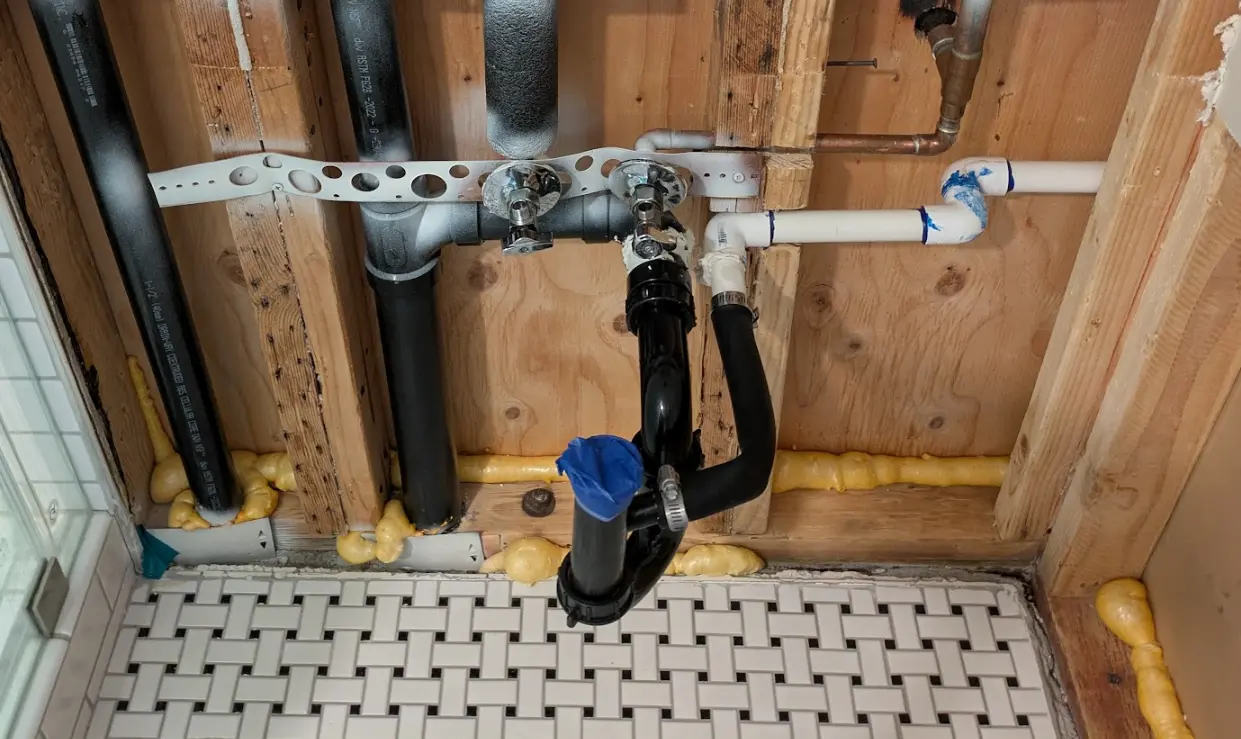
Moisture problems homeowners often overlook
- Leaking pipes behind walls or cabinets
- Old roof or window leaks that were never fully repaired or dried
- Moisture intrusion from the exterior wall to the interior from ineffective moisture barriers, drainage or ventilation
- Moisture trapped beneath flooring or carpet
High Humidity
Does your home feel like a sauna?High indoor relative humidity (above 60%), may indicate that there is a moisture source, including plumbing leaks behind walls or under the floor that may be creating vapor dissipation. Also, depending on the conditions, an exterior planter may allow for moisture to be absorbed by the home's wall, which in turn can be the source of high indoor humidity which then creates a favorable environment for unwanted mold growth.
Many homes in the San Fernando Valley and Los Angeles — including older properties — can retain moisture long after surfaces appear dry.
Why Testing Matters
Hidden moisture creates ideal conditions for unwanted mold growth even when nothing is visible. For peace of mind, many local homeowners choose
Learn: The 'Test Only' Advantage
Test only companies focus on identifying the root cause of moisture issues and mold by thorough inspections and by analyzing
3. Visible Spotting, Discoloration or Surface Defects
Sometimes mold becomes visible on the surface, but not all molds look the same. In addition, surface defects such as cracking, bubbling, warping, swelling and bumps that starts to appear on the paint or walls can point to moisture issues that carries the risk of hidden mold growth.
What mold may look like
- Black, green, gray, or white spots
- Fuzzy, powdery, or slimy textures
- Discoloration that slowly spreads over time
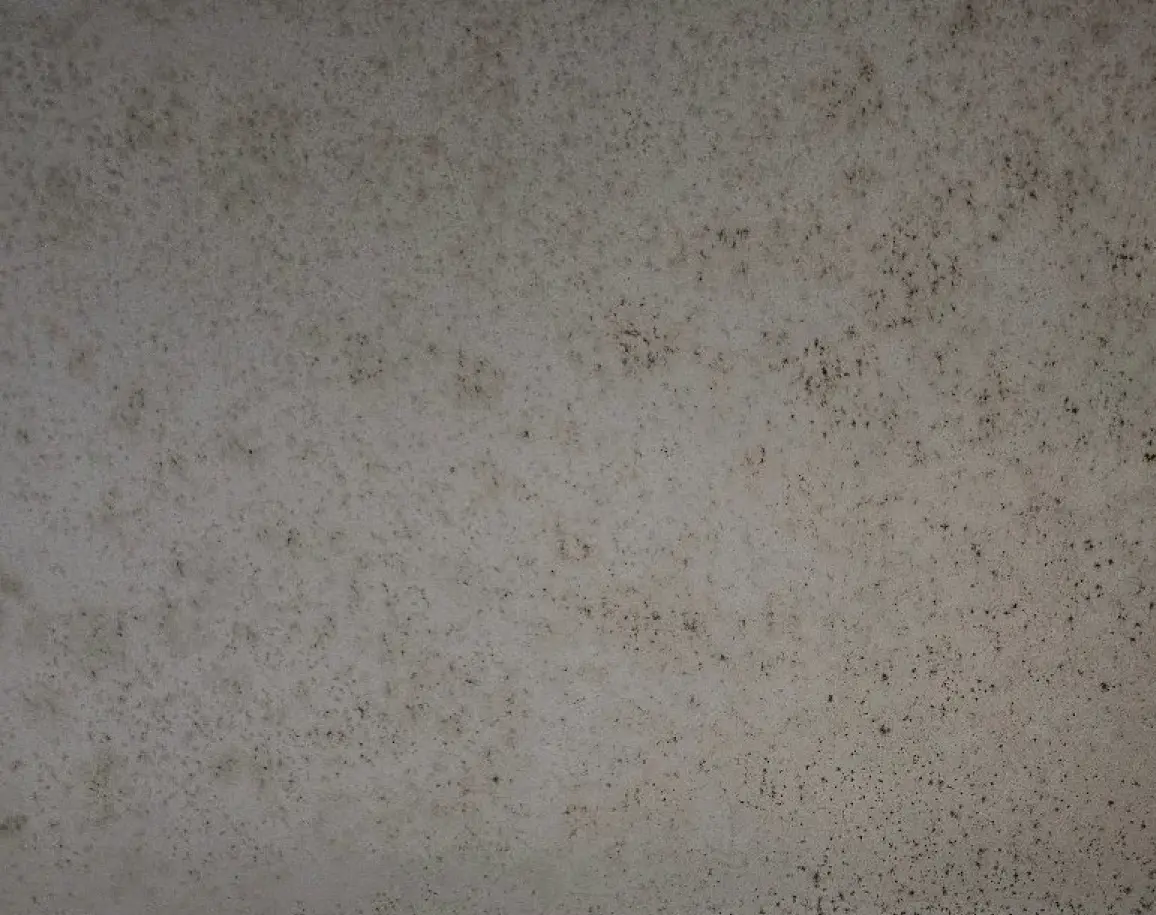
Is it mold or just a stain?
Not all stains indicate mold, but depending on the mold species and extent of growth, it can sometimes be difficult to tell the difference without testing. APerforming
When Should You Schedule a Mold Inspection?
Consider a professional mold inspection if you:
- Notice musty odors lasting more than a few days
- Experienced recent plumbing leaks or water damage
- Have ongoing moisture, humidity or condensation issues
- Have mold concerns before buying or selling a home
- Are interested in having an Indoor air quality test due to allergies or other symptoms
Homeowners and renters often prefer Granada Hills, Los angeles and San Fernando Valley test-only mold services because they provide unbiased results focused solely on testing and analysis.
Final Thoughts
Mold problems often do not start with large obvious black patches on the surface of the wall.
More often, the signs include unpleasant odors, allergies and other symptoms, higher than normal relative humidity or small areas of discoloration or surface defects.
Investigating these signs early on can help prevent larger issues later.
If you’re noticing any of these warning signs, a professional Granada Hills, Los Angeles and San fernando valley mold inspection can allow you to make informed decisions and provide peace of mind.
How does lab testing help?
What is mold?
Buying or Selling a Home?
Real estate transactions can be an emotional roller coaster. Knowing the property's true condition can help with making smart, informed decisions.
tanjunmold@gmail.com
What Happens During A Mold Inspection?
Indoor Air Quality (IAQ) ~ Water Damage Assessments ~ AIHA (American Industrial Hygiene Association) Accredited Lab Testing ~ Presale Home Inspections ~ Post Remediation Clearance Testing ~ Air & Surface Sampling ~ Mold Remediation Protocols ~ Findings & Recommendations Reports
OUR PROCESS


We start with performing a visual inspection of the property, focusing on areas where there may be water damage, moisture issues or suspected mold growth.


With the help of specialized tools we may take environmental readings such as moisture or humidity levels in order to identify any potential issues.


Surface and air samples may be recommended depending on the inspection findings or customer concerns. Such samples are sent to a lab that specializes in identifying and analyzing mold spores.


Once all of the data is collected, we provide a report of our findings. If a mold growth problem is identified, a remediation protocol is outlined.
How does lab testing help?
What is mold?
CONTACT US

Please let us know of any mold and indoor air quality questions and concerns. Contact us to schedule an inspection:
Call (818) 964-1533 Schedule InspectionCustomer Reviews
The 'Test Only' Advantage
Frequently Asked Questions
Happily serving our customers in Granada Hills, Porter Ranch, Northridge, North Hills, Reseda, Canoga Park, Woodland Hills, Encino, Simi Valley, Moorpark, Thousand Oaks, Calabasas, Agoura Hills, Malibu, Camarillo, Oxnard, Ventura, Newhall, Valencia, Canyon Country, Santa Monica, Marina Del Ray, Glendale, Pasadena, Alta Dena, Burbank, Studio City, Brentwood, Beverly Hills, Hollywood, West Hollywood, North Hollywood and the San Fernando Valley and the Greater Los Angeles Area.
Indoor Air Quality (IAQ)
~ Water Damage Assessments
~ AIHA (American Industrial Hygiene Association) Accredited Lab Testing
~ Presale Home Inspections
~ Post Remediation Clearance Testing
~ Air & Surface Sampling
~ Mold Remediation Protocols
~ Findings & Recommendations Reports
~ Environmental Testing
~ Mold Inspection Los Angeles
~ Certified Mold Testing Services
Find us on nextdoor:



MICRO Certified Mold Inspector CMI # 86294
InterNACHI (International Association of Certified Home Inspectors) Certified Mold Inspector
Member # NACHI25081826 Certificate # 1755634505
IAC2 Certified, IAC2 Mold Certified (International Association of Certified Indoor Air Consultants)
Certification ID: IAC2-95070
